


Meditation
Full Moon Gong Session
Loops continuously until stopped, the timer ends, or you reload or close the tab.
RainSleep — AI Sleep Sounds
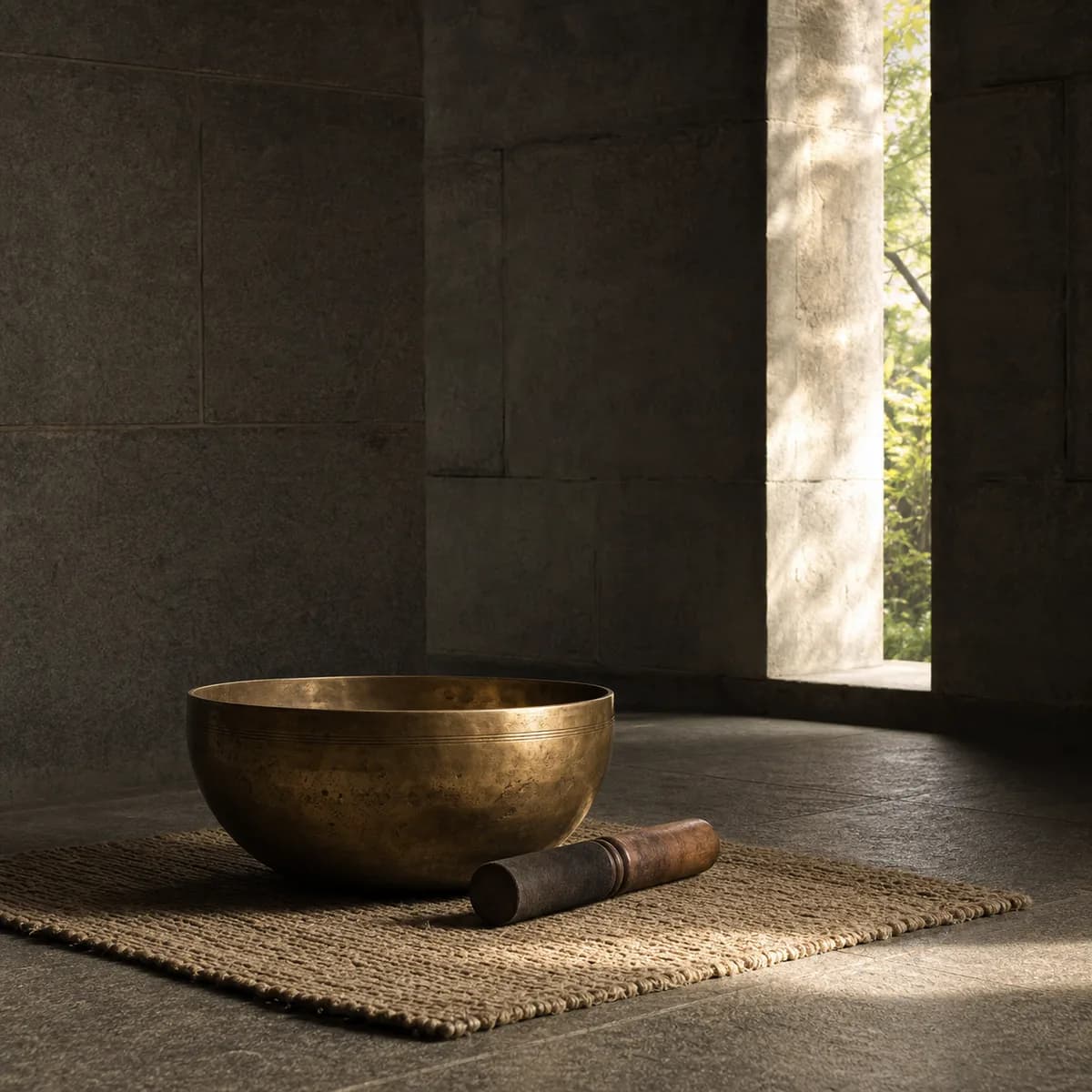
Listen online for free with no sign-up required. Browse singing bowls and other background audio for your own meditation practice. Choose a track and set the pace yourself.
Filter the audio library to find exactly what you need
Loops continuously until stopped, the timer ends, or you reload or close the tab.
Loops continuously until stopped, the timer ends, or you reload or close the tab.
Loops continuously until stopped, the timer ends, or you reload or close the tab.
Loops continuously until stopped, the timer ends, or you reload or close the tab.
Loops continuously until stopped, the timer ends, or you reload or close the tab.
Loops continuously until stopped, the timer ends, or you reload or close the tab.
Loops continuously until stopped, the timer ends, or you reload or close the tab.
Loops continuously until stopped, the timer ends, or you reload or close the tab.
Loops continuously until stopped, the timer ends, or you reload or close the tab.
Use the ring of a bowl or another sound as a point of attention during your own practice
Compare the recordings and choose a sound that feels comfortable to listen to
Use the player timer when you want a session to end automatically
Choose a background sound for a quiet moment before your day begins
MorningTake a short break with a sound you enjoy
During a BreakPlay a recording at a comfortable volume while you settle into your evening routine
EveningFollow your own practice with a bowl or ambient recording in the background
Your ScheduleBrowse the available recordings and choose a sound that fits your routine. You decide the pace and length of your session; the player can repeat the audio or stop when the timer ends.
Everything you need to know about meditation audio
Yes. Every track on this page can be streamed online for free without creating an account. Downloads are not included.
This collection includes singing bowls and other audio for your own practice. The filters show categories that currently have matching recordings.
The player plays the recording you choose and offers a timer. It does not provide a separate guided meditation or breathing program.
Each card shows the length of one pass through the recording. Playback repeats until you stop it, the timer ends, or you reload or close the tab.
Listen at a comfortable volume and compare the sound textures. You can switch tracks whenever a sound does not suit your practice.